Sunset Mesa in Moab: Golden Ridges, Evening Glow & Your Tiny Home Basecamp

Sunset Mesa in Moab: Golden Ridges, Evening Glow & Your Tiny Home Basecamp

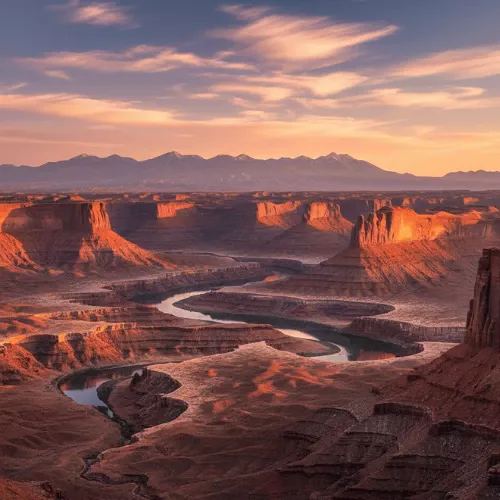
Moab is beautiful all day. But at sunset, it becomes something else entirely. The mesas catch fire. Canyons fill with gold and shadow. The La Sal Mountains fade from blue to deep lavender. And for a few quiet minutes, the whole desert holds its breath. That is Sunset Mesa. Not a single spot on a map, but a feeling—the light on the ridges, the hush across the valley, the sense that you are exactly where you are meant to be. Sunset Mesa Cabin is for travelers who plan their days around golden hour: early hikes, slow afternoons, and evenings spent watching the sky do its best work.

Sunset Mesa in Moab: Golden Ridges, Evening Glow & Your Tiny Home Basecamp

Mesa Arch in Moab: Sunrise Fire, Canyon Silence & Your Tiny Home Basecamp

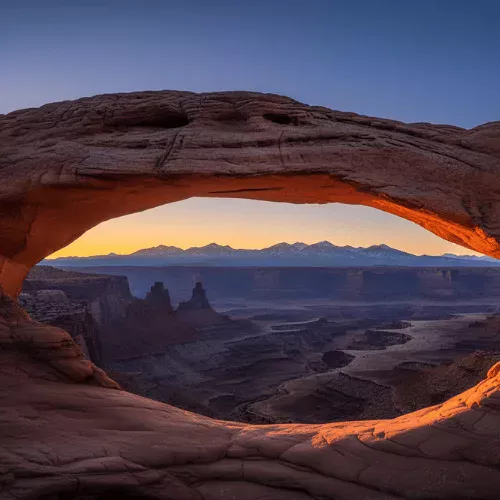
Some viewpoints are beautiful. Mesa Arch is something else entirely. At first glance, it’s just a small arch near the edge of a cliff in Canyonlands National Park. But at sunrise? It becomes a portal. The underside glows like it’s been lit from within. The canyons beyond begin to stir. And for a few perfect minutes, the desert doesn't just wake up—it performs. Mesa Arch Cabin is for travelers who live for those moments—quiet, early, goosebumped awe—and want a warm, peaceful space to come back to when the sun is high and the light has done its magic. Mesa Arch: Sunrise on the Edge of Everything Mesa Arch is perched at the edge of the Island in the Sky district in Canyonlands National Park, looking east over a vast sweep of cliffs, canyons, and the La Sal Mountains in the distance. It’s a short walk. But the view? Endless. At sunrise: 🔥 The underside of the arch catches the first light and flares orange and gold 🌄 The canyon below slowly unveils itself, layer by ancient layer 🌬️ The wind hushes voices into whispers—whether solo or in a crowd 📷 Photographers steady tripods, but often forget to click, just watching Even after the sun is up, Mesa Arch holds its power. But sunrise is when it becomes myth. Mesa Arch Visit Guide: Trail Details & Tips Mesa Arch is one of the most photographed natural features in the Southwest—and for good reason. The trailhead is about 45 minutes from Moab, and the short walk means it’s accessible to nearly everyone. 🥾 Trail Stats: Distance: ~0.5 miles round trip Elevation: Minimal Difficulty: Easy Time: 30–60 minutes (plus however long you want to stay and stare) What to Expect: A well-worn dirt and slickrock trail with some rocky steps A short loop—accessible but not paved A drop-off beyond the arch—watch your step, kids, and camera A popular crowd at sunrise—arrive early for the full experience Best Times to Visit: Sunrise: The gold standard. Quiet, glowing, unforgettable. Early morning: Beautiful light with fewer crowds Late afternoon: Warm light on the arch and canyon walls Midday: Less ideal for photography, but still jaw-dropping Pro Tips: Bring a headlamp or flashlight if arriving in the dark Wear layers—even warm days start cold here Build in buffer time for parking and the walk so you’re not rushing the moment What Nobody Tells You → You’ve seen the photo. But standing there is entirely different. → The arch is smaller than you think. The world through it is not. → Wind can howl. Layers and gloves aren’t just for winter. → Sometimes the best moments happen after the glow fades. → You don’t have to get “the shot” to be changed by the light. Why Mesa Arch Stays With You Mesa Arch isn’t a trail. It’s a moment. You remember: The chill in the air, and the warmth of the first light. The quiet of 20 strangers all watching the same thing in silence. The instant the canyon lit up—and the click of shutters came a breath late. There are hikes that get under your skin. Mesa Arch gets into your bones. Stay at Mesa Arch Cabin After the early alarm, the cold hands, and the glowing sandstone, you’ll want to return to something warm, soft, and still. Somewhere you can sip coffee, download photos, and let the morning’s light settle into memory. That’s why we created Mesa Arch Cabin. Located at 1251 Millcreek Dr, Moab, all of our tiny homes are just minutes from the road to Canyonlands, close to downtown Moab, and built for travelers who rise early—and return fulfilled. Inside Mesa Arch Cabin, you’ll find: 🍳 A full kitchen for sunrise fuel and lazy brunches 📷 A calm, private space to edit, post, or just relive the light ❄️ Climate control to warm you up after that crisp canyon air 🛏️ A soft bed and blackout shades so you can actually sleep before that next early mission You’re minutes from: → Highway 313 to Canyonlands National Park → Downtown cafes and coffee for pre- and post-sunrise stops → Gear shops and layers you’ll wish you had at 5 a.m. If you came to Moab for that one sunrise… Mesa Arch Cabin is your basecamp. 🔘 Check Availability for Mesa Arch Cabin 🔗 Explore All Moab Tiny Homes → Frequently Asked Questions Q: Is Mesa Arch a good hike for kids? A: Yes—but it ends at a high cliff. Keep young ones close and under control near the edge. Q: Do I need a permit to watch the sunrise? A: No special permit is required, but Canyonlands does require a park pass or entry fee. Always check NPS guidelines before you go. Q: How early should I arrive? A: In peak season, plan to arrive 45–60 minutes before sunrise. Parking is limited, and good spots along the rim fill up fast. Q: Can I visit more overlooks after? A: Yes! Mesa Arch is near several classic Island in the Sky stops, including Grand View Point, Green River Overlook, and Upheaval Dome. Q: What should I bring? A: Layers, a headlamp, water, snacks, and your camera—or at least your attention. 🧭 More Moab Adventures from Your Cabin → Grand View Point: Canyon After Canyon, To the Horizon → Dead Horse Point: Iconic Overlook & Sunset Show → Delicate Arch: The Classic Desert Window → Corona Arch: The Underrated Stone Giant → Mill Creek Falls: Desert Oasis & Swimming Holes 🔗 See All Moab Activity Guides →

Mesa Arch in Moab: Sunrise Fire, Canyon Silence & Your Tiny Home Basecamp
Hidden Canyons in Moab: Secret Side Trails & Your Tiny Home Basecamp

Hidden Canyons in Moab: Secret Side Trails & Your Tiny Home Basecamp

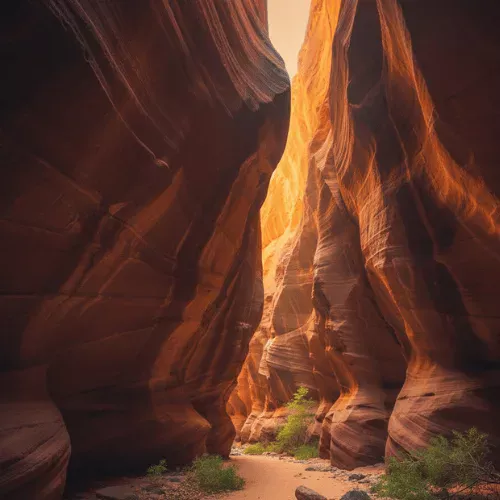
Everyone hears about the big hits: Delicate Arch, Arches, Canyonlands. But Moab’s soul lives in the places that do not make the front of the brochure—the side canyons, quiet washes, and narrow corridors of stone where the crowds thin out and the desert begins to whisper. These are the hidden canyons. No billboards. No packed parking lots. Just you, stone, sky, and time. Hidden Canyon Cabin is for the traveler who loves that feeling of stepping off the main route into a place that feels like it was made just for them. Hidden Canyons: Moab’s Quiet Side Moab is ringed with canyons—some famous, many unnamed, and countless tucked in between. Side canyons and lesser-known trails are where the energy shifts from busy to hushed, and the landscape starts to feel old, personal, and profound. In these quieter corners of the desert, you will discover: Shaded washes with cottonwoods and willows Narrow sandstone corridors that twist out of sight Pools of water after rain, reflecting sky between timeless walls Petroglyph alcoves and intricate rock textures that feel untouched You do not have to go far. Many of these places are just off scenic roads like Kane Creek Boulevard, Mill Creek, or Potash Road—easy to reach, easy to overlook if you are rushing. Hidden Canyon Visit Guide: How to Find Moab’s Quieter Corners Hidden canyons are not a single destination—they are a way of exploring: Short Side Trails and Wash Routes Scan for lesser-signed trailheads or BLM access points near Kane Creek, Mill Creek, and Potash Road. These often lead into winding canyons with a calm all their own. Early and Late Wanderings Even popular trails transform at dawn and dusk. Shadows stretch long, the colors soften, and silence returns. Explore Washes (Where Allowed) Dry washes weave between high walls like secret passageways. Stick to known routes and obvious tread to protect fragile soil. Ask the Locals Rangers and outdoor shop staff often know the best “secret” routes that fit your fitness level and adventure style. A Few Things to Know Flash floods are real. Never enter narrow canyons if storms are in the forecast—even far away. Navigation can be tricky. Download offline maps and follow cairns or marked signs. Respect cultural sites. If you encounter rock art or artifacts, admire from a distance and help protect them. What Nobody Tells You Some of the most meaningful Moab moments happen on no-name trails, where you do not see another person for an hour. The echoes in narrow canyons can feel like a conversation with the land—your footsteps, the wind, a raven’s call. Hidden canyons hold cool pockets of shade even on hot days. The best way to explore is to pick one corridor and linger rather than check off a list. Sitting still in a canyon alcove for ten quiet minutes can shift your whole trip more than another hurried viewpoint. Why Hidden Canyons Stay With You Big views are easy to remember. Hidden canyons are easy to feel again later. You remember the walls growing tighter around you. You remember the sand underfoot and the silence settling in. You remember the moment you turned a corner, expecting nothing—and found something unforgettable. These are the landscapes you do not always geotag. The places you describe to friends as: “We just turned down a dirt road and found this…” That is the magic. Stay at Hidden Canyon Cabin After a day of exploring Moab’s quieter side, you want a place that feels like a continuation of that calm—a retreat that is close to everything but tucked away from the bustle. That is why we named one of our tiny homes Hidden Canyon Cabin. All of our tiny homes are located at 1251 Millcreek Dr, Moab, Utah—set just enough off the main drag to feel peaceful, but close enough that trailheads, groceries, and coffee are only minutes away. At Hidden Canyon Cabin, you will find: A full kitchen for slow breakfasts before you disappear into the day, and simple dinners when you come back dusty and happy A private, quiet living space where you can journal, download photos, or simply sit in silence Climate control so you can cool off after hot canyon walls or warm up after a breezy evening walk A soft bed with blackout shades and a calm atmosphere so you actually rest between explorations You are minutes from: Mill Creek and Kane Creek corridors, with access to quiet canyon hikes Scenic drives that hide countless side canyons and viewpoints Downtown Moab’s restaurants, gear shops, and cafes If your favorite adventure involves turning down the road less traveled and seeing where it leads, Hidden Canyon Cabin is your kind of basecamp. Primary CTA button: Text: Check Availability for Hidden Canyon Cabin URL: /cabins/hidden-canyon Secondary CTA link: Text: Explore All Moab Tiny Homes → URL: /cabins Frequently Asked Questions Q: Is there an actual trail called “Hidden Canyon”? A: Not exactly. Around Moab, “hidden canyons” describes a style of experience—lesser-known slot and side canyons you find by exploring BLM routes and local trailheads. Q: Are hidden canyons safe to explore? A: They can be, with preparation. Always check weather forecasts (flash floods are no joke), carry plenty of water, and know your limits. If terrain becomes uncomfortable or technical, turn back early. Q: What gear do I need? A: For most moderate side canyon excursions: sturdy shoes, water, sun protection, snacks, and offline maps. Technical canyons with scramble sections require ropes and experience or a guide. Q: How do I find less crowded canyons? A: Ask at ranger stations or local outfitters. BLM map access points are often less trafficked than official park trailheads. Go early or late in the day to miss peak crowds. Q: Can I explore canyons with kids? A: Yes. Many side routes off Kane Creek and Mill Creek are family-friendly, especially washes with open views. Just stay on easy terrain and supervise near steep walls or water. More Moab Adventures from Your Cabin → Mill Creek Falls: Desert Oasis & Swimming Holes (/activities/mill-creek-falls) → Corona Arch: The Underrated Giant (/activities/corona-arch) → Sand Flats: Slickrock Playground & Sunrise Views (/activities/sand-flats) → Fisher Towers: Towering Desert Giants (/activities/fisher-towers) → Red Rock: The Iconic Moab Landscape (/activities/red-rock) → See All Moab Activity Guides → (/activities)

Hidden Canyons in Moab: Secret Side Trails & Your Tiny Home Basecamp
Book Direct - Best Price, Best Stay